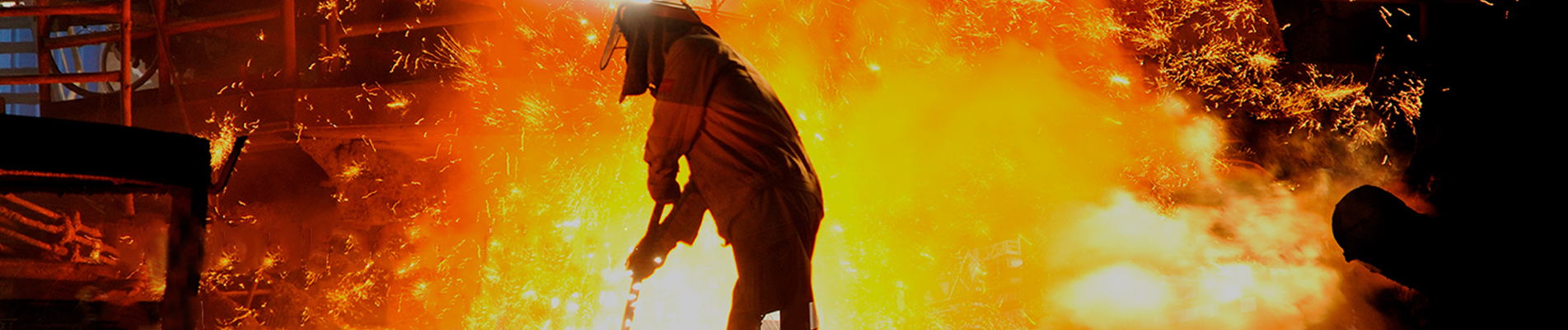
Oil and gas equipment places hydraulic hoses, fuel lines, instrument tubing and electrical cables close to process heat, engines, compressors, fired equipment and outdoor weather exposure. A single product name does not define the correct protection for every line. The buyer first needs to identify what is being protected, which external hazard reaches it and how the line will be installed or inspected.
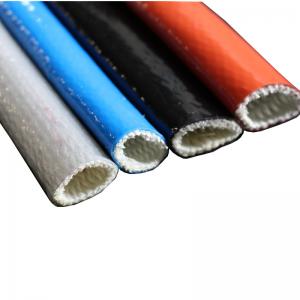
Fire sleeve for oil and gas equipment is an external thermal protection layer. Silicone-coated fiberglass constructions can be evaluated for hydraulic hoses, pneumatic lines, fuel and oil lines, cables and other critical services exposed to radiant heat, short-duration flame or specified molten splash. The sleeve supplements the approved hose or cable assembly; it does not replace its pressure reinforcement, electrical insulation or process compatibility.
The BSTFLEX fire sleeve range includes tubular and openable constructions for industrial applications. This guide explains how to specify an oil and gas fire sleeve for upstream, midstream and downstream equipment without treating every refinery, wellhead or offshore installation as the same duty.
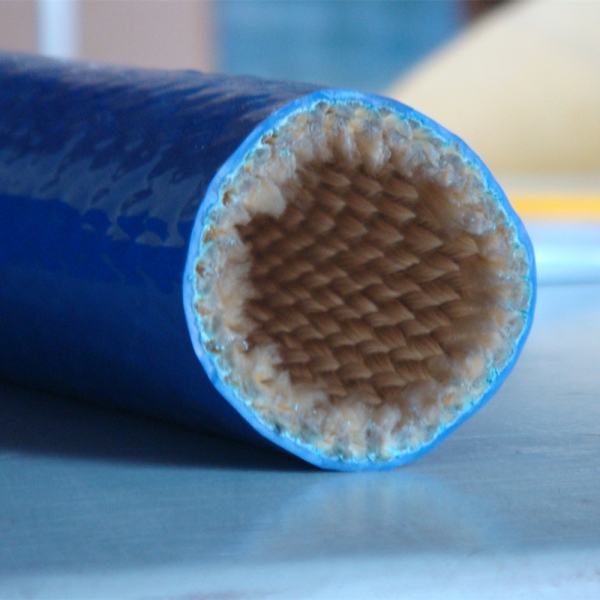
The most useful way to organize the requirement is by the line function and the operating area. An oilfield equipment fire sleeve used around a wellhead hydraulic circuit may need different dimensions and environmental resistance from a refinery fire sleeve installed near a fired heater or hot process pipe.
| Operating area | Typical protected components | Main questions to answer |
|---|---|---|
| Wellhead and drilling equipment | Hydraulic control hoses, pneumatic lines, control cables and selected fluid lines. | Heat source, hose movement, oil exposure, outdoor weather and access for maintenance. |
| Refinery process units | Hydraulic hoses, instrument cables, control wiring, fuel lines and services near hot equipment. | Radiant heat, flame scenario, process contamination, routing and classified-area requirements. |
| Petrochemical processing | Hoses, cables, conduit and fluid lines around reactors, heaters, pumps and compressors. | Actual chemicals present, exposure temperature, movement and applicable documentation. |
| Offshore modules and deck equipment | Crane hydraulics, deck machinery hoses, well-control lines, cable runs and utility services. | Salt, UV, moisture, hydrocarbons, restricted access and planned shutdown windows. |
| Compressor stations and pipeline facilities | Hydraulic actuator lines, lubrication lines, instrument wiring and hot equipment services. | Continuous operating heat, vibration, inspection access and end termination. |
A request for fire sleeve for oilfield equipment should therefore identify the exact line and location. Equipment type alone does not define the sleeve diameter, exposure or test requirement.
A wellhead hydraulic hose fire sleeve may be considered where a control hose is exposed to nearby process heat, engine exhaust or a defined fire risk. The first engineering action is to review routing and separation. External protection should not be used to justify unnecessary contact with hot pipework or equipment.
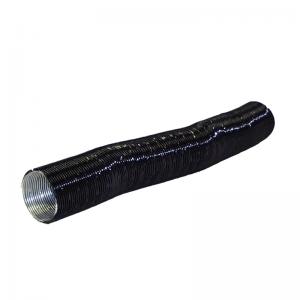
For thermal and flame protection, the BSTFLEX Hydraulic Hose Protection Fire Sleeve provides a product starting point. It is designed for hydraulic hoses exposed to heat, flame, molten splash, abrasion and oil-rich industrial conditions.
The sleeve does not increase the hydraulic hose pressure rating, correct a damaged hose or qualify the complete well-control circuit. The hose, fittings and fluid system must already be suitable for the operating pressure, fluid and temperature.
When requesting a hydraulic hose fire sleeve, provide the hose outside diameter, fitting dimensions, required protected length, working movement and heat-source location. Also identify whether the sleeve is installed during hose fabrication or retrofitted around an existing connected line.
A refinery hose protection sleeve can be used where hydraulic or utility hoses pass near hot process equipment, steam lines, fired heaters, exhaust components or other external heat sources. The relevant duty is the temperature and exposure at the hose location, not the maximum temperature inside the process vessel.
For each candidate location, separate:
A fire sleeve for refinery should be matched to those conditions. Do not use a generic statement such as “chemical resistant” as proof of compatibility with every refinery fluid. Identify the actual fluid or cleaning chemical and request product-specific information where compatibility is critical.
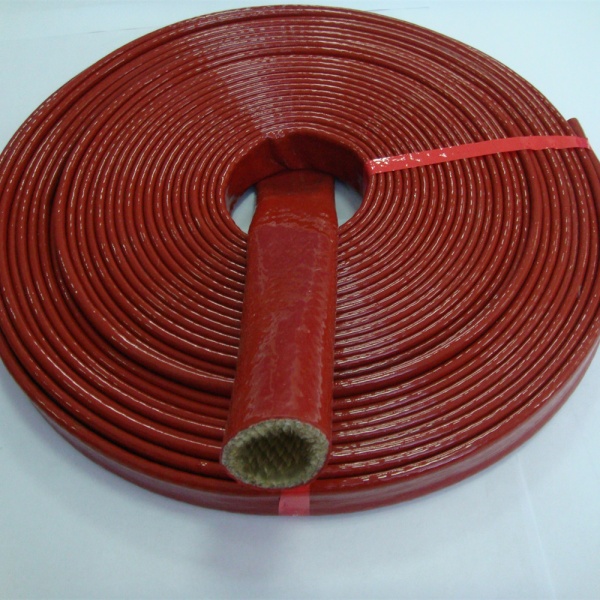
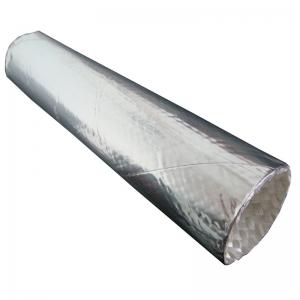
Refinery cable heat protection is a separate selection problem from hydraulic hose protection. A thermal sleeve can reduce external heat reaching a cable or wiring bundle, but it does not replace the cable jacket, voltage insulation, gland, conduit or fire-resistive circuit design.
An instrument cable heat protection sleeve may be evaluated where instrument wiring runs close to hot equipment. A control cable fire sleeve may also be considered where the project requires additional external thermal protection for control wiring.
The responsible electrical engineer should review the complete covered installation. Cable loading, bundle size, ambient temperature and the additional insulation can influence conductor temperature. Do not assume that a sleeve with a 260°C material rating allows the cable itself to operate at that temperature.
Keep cable glands, connector bodies, identification and inspection points accessible. Where a sleeve ends before a gland or cabinet entry, define that endpoint on the drawing rather than leaving it to field installation.
A petrochemical plant fire sleeve, also searched as fire sleeve for petrochemical plant equipment, may protect hoses, cables and lines around pumps, compressors, reactors, heaters and other process equipment. The application should be specified by component, hazard and location rather than by the broad industry label.
Useful long-tail purchasing descriptions include:
These phrases describe different buying requirements. They should not all be answered with the same product recommendation without checking the protected component and exposure.
Offshore platform hose protection can involve heat, flame risk, hydraulic oil, salt spray, humidity, UV exposure and restricted maintenance access. A sleeve selected only from a temperature figure may not address the complete environment.
For an offshore hydraulic hose fire sleeve, provide the location of the hose, expected weather exposure, heat source, movement and available installation access. Confirm whether the project requires marine or offshore test documentation beyond the standard industrial product data.
Do not claim ISO 15540, ISO 15541, DNV or another marine approval unless the exact product and assembly are covered by the applicable evidence. A standalone sleeve material and a complete fire-tested hose assembly are not the same qualification.
If the hose cannot be disconnected during a planned maintenance window, an openable cover may be more practical than an oversized tubular sleeve. The final closure and overlap still require thermal and mechanical review.
A fuel line fire sleeve and an oil line fire sleeve are selected for external protection around lines that already meet the fluid, pressure and temperature requirements of the system. The sleeve is not the fuel- or oil-containing layer.
This industrial fire sleeve application should remain tied to the actual line and hazard. The BSTFLEX braided silicone fiberglass fire sleeve is designed to protect fuel lines, hydraulic lines, oil lines, cables and other assemblies from external heat and flame hazards.
Ask whether exposure is occasional surface contamination, oil mist, continuous wetting or a leak from the protected line. A sleeve should not be installed to conceal a leaking connection. Resolve the source of contamination before restoring protection.
Terms such as oil resistant fire sleeve, fuel resistant fire sleeve and hydraulic fluid resistant fire sleeve should remain tied to product-specific evidence and the actual fluid conditions.
A pneumatic hose fire sleeve can be evaluated for air or gas service lines exposed to external heat, but the underlying hose must remain suitable for the conveyed medium and pressure.
A process hose heat protection sleeve requires even more detail. The inquiry should state whether the line carries steam, hot oil, gas, chemical fluid or another medium, and whether the goal is to protect the line from outside heat or retain heat inside the line.
Those two heat-transfer objectives are different:
Do not use one firesleeve temperature rating as proof that all four objectives have been achieved.
A PTFE hose fire sleeve or fluoropolymer hose fire sleeve can be evaluated as an external cover around a suitable hose assembly. The outer sleeve does not change the PTFE hose assembly’s pressure rating, fitting qualification or fluid compatibility.
Provide the finished assembly OD, braid or cover construction, fitting dimensions and bend requirements. Where aerospace or offshore qualification is required, confirm whether the project expects a simple slide-on sleeve, a finished hose assembly with integral protection or another approved construction.
These configurations must not be treated as interchangeable solely because the external color and material appear similar.
| Installation need | Product direction | Main checks |
|---|---|---|
| New hose or cable assembly with end access | Tubular silicone fiberglass fire sleeve. | Inside diameter, fitting passage, cut length and end treatment. |
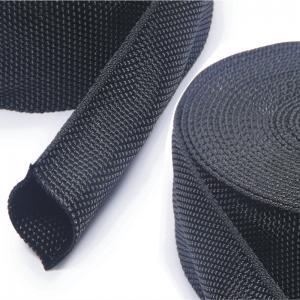
| Irregular route requiring conformity | Knitted or other flexible coated construction. | Finished expansion, bend behavior and product-specific rating. |
| Existing connected hose | Removable fire sleeve, snap or hook-and-loop format. | Closed fit, seam orientation, overlap, closure access and exposure. |
| Severe industrial environment | Standard or heavy-duty construction according to evidence. | Wall thickness, clearance, abrasion and thermal documentation. |
A wrap around fire sleeve, snap closure fire sleeve or hook and loop fire sleeve can address retrofit access. The Removable Fire Sleeve Guide explains the installation differences.
A fire sleeve without disconnecting hose describes an installation format, not permission to work on live or pressurized equipment. Follow the facility’s approved shutdown, isolation, depressurization and safe-maintenance procedure.
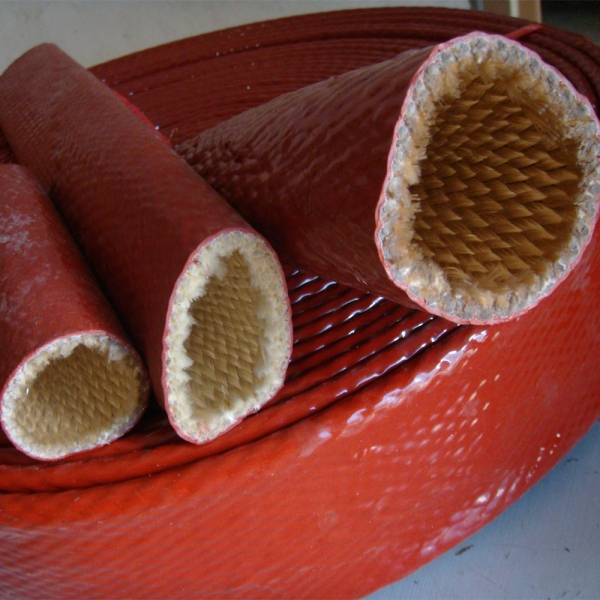
A complete specification should distinguish the following:
| Requirement | What to provide |
|---|---|
| Radiant heat protection fire sleeve | Heat-source temperature, distance, airflow, exposure duration and permitted hose or cable temperature. |
| Direct flame protection fire sleeve | Flame exposure scenario, duration, test method and acceptance criterion. |
| Abrasion protection fire sleeve | Contact point, movement, surface condition and applicable abrasion evidence. |
| Chemical resistant fire sleeve | Named chemicals, concentration, temperature and expected contact duration. |
| UV resistant fire sleeve | Outdoor location, service interval and applicable weathering evidence. |
| Moisture resistant fire sleeve | Humidity, water spray, washdown, salt exposure and end-sealing requirements. |
No single test result automatically covers every oil and gas site condition. Where a project specification requires particular evidence, identify the exact product, construction, test method and report scope.
Select the tubular sleeve from the actual outside diameter of the hose, cable or bundle. Then check the largest fitting, ferrule, connector or gland along the installation path.
The BSTFLEX Fire Sleeve Size Chart explains hose OD, sleeve ID and fitting clearance. Do not match a hydraulic hose dash number directly to a sleeve dash number without checking the hose OD.
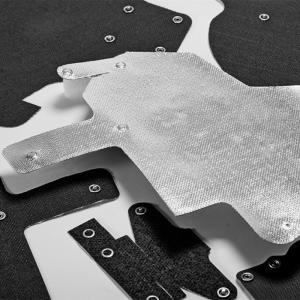
For wrap-around products, specify the usable closed diameter and required overlap. Flat fabric width alone does not confirm the installed fit.
For offshore, refinery or petrochemical routes, also check the sleeve’s final outside diameter against brackets, trays, conduit supports and adjacent lines.
Oil, discoloration or damage on the sleeve is an inspection signal. Establish whether the condition results from normal contamination, external heat, mechanical wear or a leak from the protected assembly.
During an authorized inspection, check:
Do not judge reuse only by whether the cover can still be closed. Establish project-specific inspection and replacement criteria.
An oil and gas fire sleeve supplier should receive enough information to quote the same finished part that the engineering team intends to approve. A request for “red sleeve for refinery hose” is not sufficient.
For an oil and gas fire sleeve manufacturer inquiry, provide:
For a custom fire sleeve for refinery or OEM fire sleeve for petrochemical equipment, confirm every customization against an approved sample and drawing. Terms such as cut to length fire sleeve, bulk fire sleeve, fire sleeve custom printing and special packaging should be defined as measurable order requirements.
Request the current fire sleeve technical data sheet and the relevant fire sleeve test report. A quality-management certificate and a product test report answer different questions and should not be treated as substitutes.
Use a formal fire sleeve sample approval for critical projects. The sample should represent the proposed diameter, length, construction, closure, end treatment, marking and packaging.
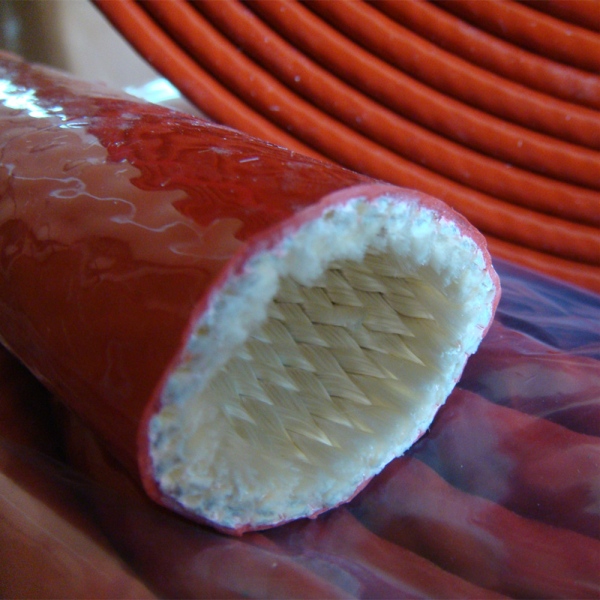
Identify the protected hose, cable or line; the external heat or flame hazard; the actual fluids and weather exposure; the installation route; and the documents required by the project. Then compare product constructions and approve the installed sample.
It can be evaluated as external thermal protection for suitable offshore hydraulic hose assemblies. The project should separately review heat, salt, UV, oil exposure, installation access and any required marine or offshore qualification.
Silicone-coated fiberglass fire sleeve is commonly selected for industrial environments where oil and fuel exposure can occur. Confirm the exact product evidence and the actual fluid, temperature and contact duration rather than assuming universal chemical resistance.
Fire sleeve can provide external thermal protection for instrument and control cables near heat sources. It does not replace the cable’s electrical insulation, fire-resistive circuit qualification, gland or hazardous-area design.
Where tubular installation is blocked by connected fittings, evaluate an openable snap or hook-and-loop construction. Installation must take place under the facility’s approved shutdown, isolation and depressurization procedure.
Do not assume so. Thermal fire sleeve and hose-burst containment sleeve are different protection functions. A burst-containment claim requires specific evidence for the product and hydraulic application.
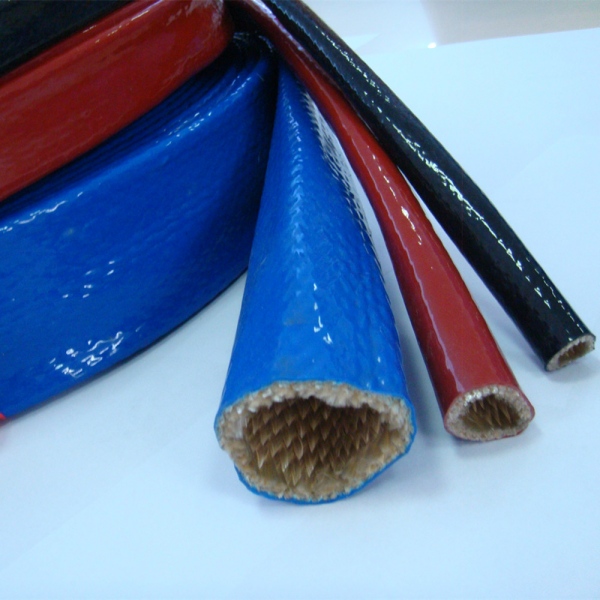
BSTFLEX supplies silicone coated fiberglass sleeve constructions for hydraulic hoses, fuel and oil lines, cables and other industrial services exposed to heat, flame and harsh operating conditions. Tubular, knitted and removable formats are available for different installation requirements.
Send the equipment location, protected component, dimensions, heat source, fluids, weather exposure, installation method and required documents. BSTFLEX can evaluate the applicable existing product and prepare samples for the project.
Request technical data, test reports, samples or an OEM quotation from BSTFLEX.

 English
 français
 Deutsch
 русский
 italiano
 español
 português
 Nederlands
 العربية
 日本語
 한국의
 Türkçe
 Polski
 Tiếng Việt
 Indonesia