In industries where heat, abrasion, and mechanical stress are constant challenges, basalt tape has emerged as one of the most advanced thermal protection solutions available today. Made from continuous basalt fibers derived from natural volcanic rock, basalt tape combines exceptional thermal insulation , mechanical strength , and environmental stability —making it a superior alternative to traditional fiberglass or ceramic fiber tapes.
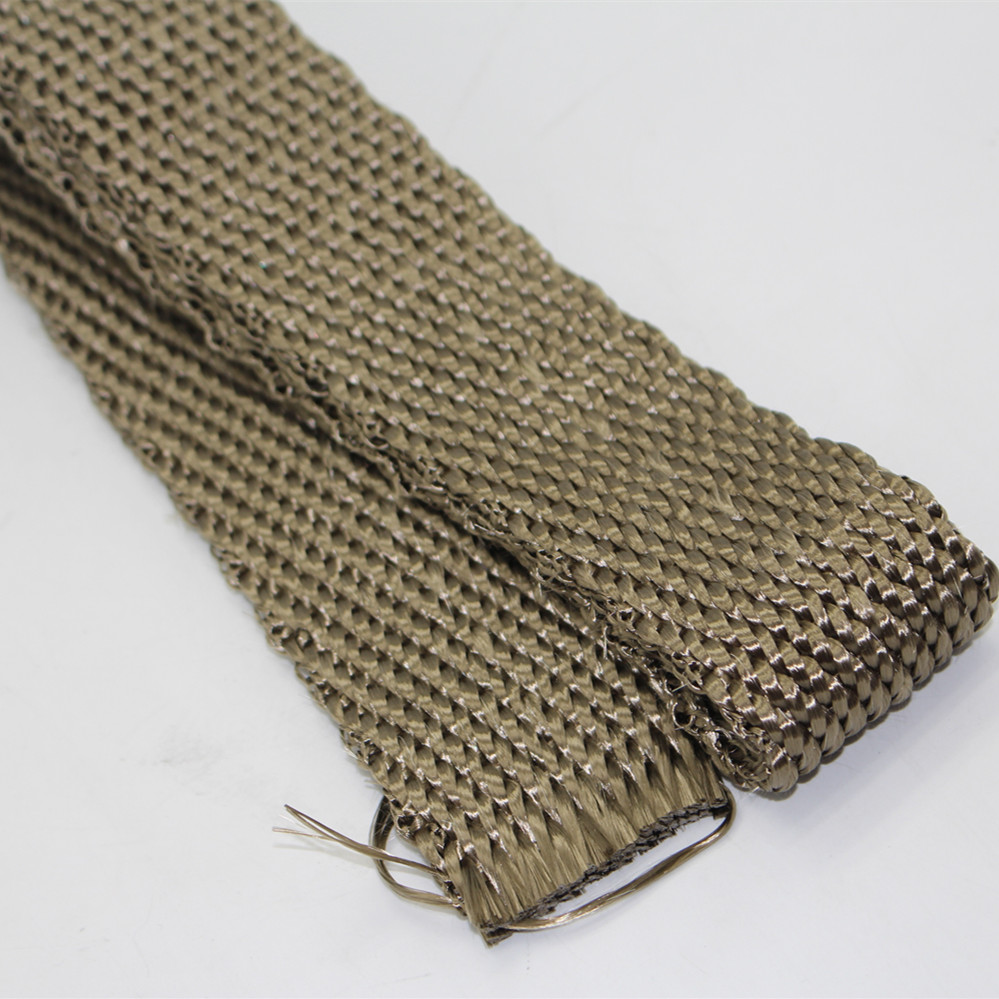
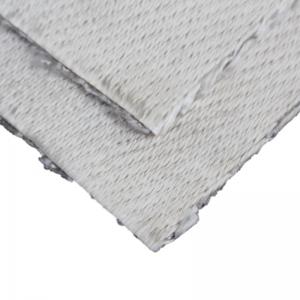
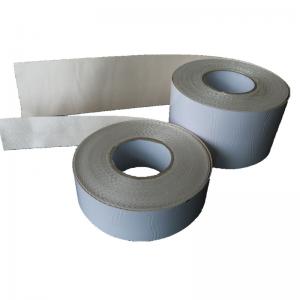
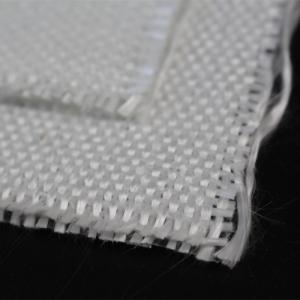
Basalt tape is a high-temperature woven material manufactured from basalt fibers—continuous filaments created by melting crushed basalt rock at approximately 1,450°C (2,640°F). The molten material is then extruded through fine nozzles to form fibers that are spun into yarns and woven into tapes. This production process results in a non-combustible, chemical-resistant, and thermally stable textile capable of withstanding continuous temperatures up to 800°C (1,472°F) and short-term exposure up to 1,000°C (1,832°F) .
Unlike synthetic fibers, basalt fibers are completely natural and non-toxic. They do not emit harmful gases under high heat, making basalt tape not only durable but also environmentally friendly and safe to handle.
When compared to fiberglass tape , basalt tape offers significantly higher temperature resistance and better tensile strength. Fiberglass typically withstands up to 550°C (1,022°F), whereas basalt maintains its structure and integrity well beyond that limit. Additionally, basalt fibers are less brittle and offer better resistance to thermal shock and vibration—important factors in dynamic environments like engines and industrial machinery.
In contrast to ceramic fiber tapes , basalt tape provides similar high-temperature capability but with greater flexibility and fewer health concerns. Ceramic fibers can release fine dust particles that may irritate the skin or lungs, while basalt fibers are smoother, safer, and more user-friendly. This balance of high performance and safety makes basalt tape an ideal choice for modern insulation applications.
Continuous Temperature Resistance: Operates reliably up to 800°C (1,472°F) and short-term up to 1,000°C (1,832°F).
High Mechanical Strength: Excellent tensile and abrasion resistance even under extreme conditions.
Non-Combustible and Chemically Stable: Inert to most acids and alkalis, resistant to UV and oxidation.
Environmentally Friendly: Made from 100% natural volcanic rock without synthetic additives.
Flexible and Easy to Use: Can be wrapped, stitched, or bonded to various surfaces.
Basalt tape is used across a wide range of industries that demand high heat protection and mechanical durability.
Automotive Industry: Commonly used as exhaust pipe wrap, turbo insulation, and wire harness protection to reduce radiant heat and enhance engine efficiency.
Industrial Manufacturing: Serves as a thermal barrier for pipes, valves, furnaces, and boilers, protecting workers and equipment from heat damage.
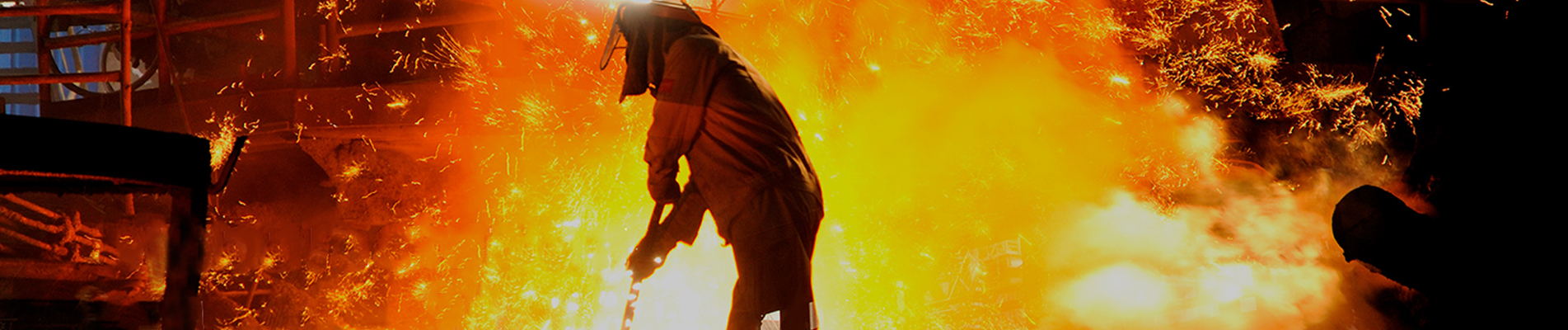
Welding and Metalwork: Acts as a heat shield and protective wrap against sparks, molten metal, and slag.
Aerospace and Marine: Used for vibration damping and insulation in high-performance systems exposed to harsh thermal and mechanical conditions.
The versatility of basalt tape makes it a cost-effective and long-lasting solution wherever high temperatures and abrasion are present.
As industries continue to push the limits of performance and efficiency, the demand for advanced thermal materials grows rapidly. Basalt tape stands out because it combines the best of all worlds— high heat resistance , durability , and environmental sustainability . Its natural origin, mechanical integrity, and compatibility with modern manufacturing processes make it a next-generation insulation material.
With its superior performance and eco-friendly composition, basalt tape is increasingly replacing fiberglass and ceramic alternatives in demanding applications. Whether in automotive exhaust systems, industrial pipelines, or aerospace components, basalt tape delivers reliable, long-term protection under extreme conditions—proving itself as the future of high-temperature insulation technology .

 English
 français
 Deutsch
 русский
 italiano
 español
 português
 Nederlands
 العربية
 日本語
日本語 한국의
한국의 Türkçe
 Polski
 Tiếng Việt
 Indonesia