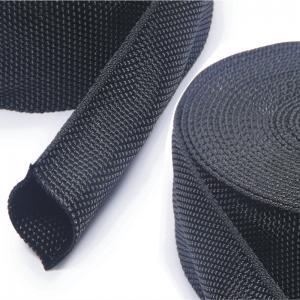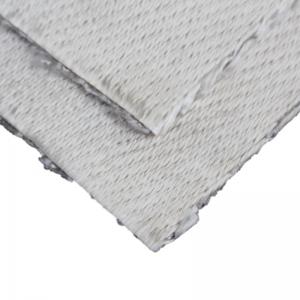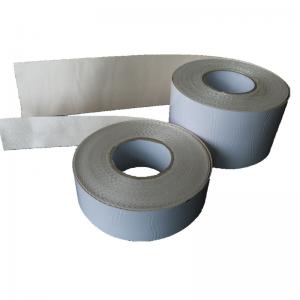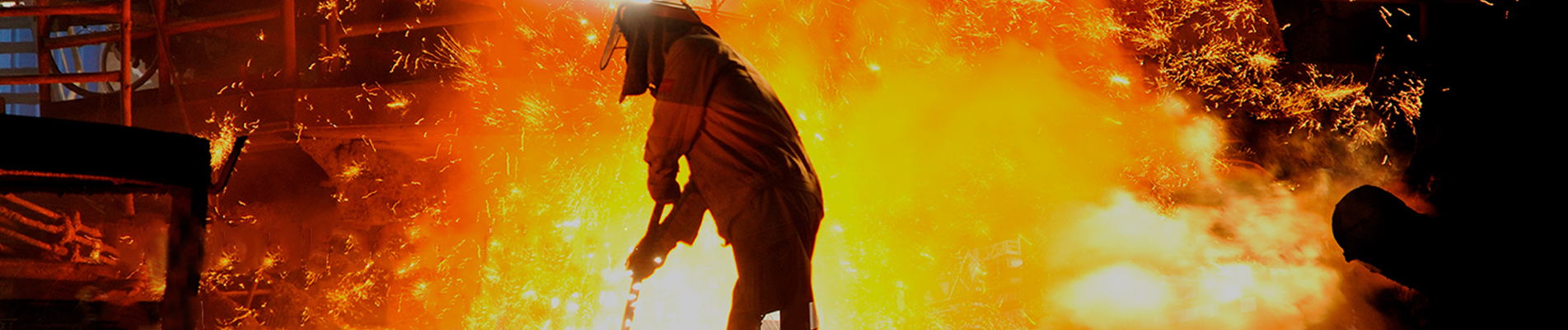
Basalt insulation tape is a narrow woven textile made from basalt fiber yarn and used for localized thermal wrapping, pipe lagging and equipment insulation. For industrial pipework, the material should be selected around the actual temperature at the tape, required coverage, mechanical contact and fixing method. A basalt tape should not be chosen only because the fiber has a higher headline temperature than another textile.
BSTFLEX High Temperature Basalt Tape is supplied as a woven industrial insulation tape in multiple widths. This guide explains what an OEM, maintenance contractor or insulation buyer should define before using basalt tape on hot pipes and equipment.
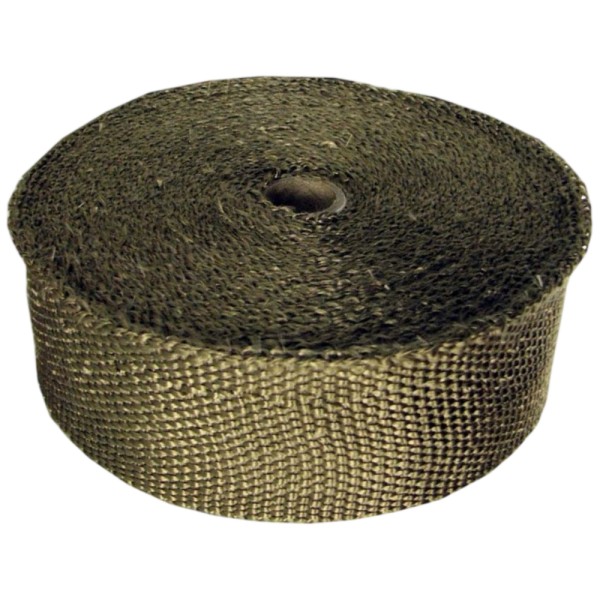
First define what the tape is expected to do. A narrow woven strip can be used as local insulation, an outer wrapping layer, a retaining textile in a fabricated thermal assembly or a protective layer around selected hot sections. These are different duties.
If the project has a specified heat-loss limit or a maximum outer-surface temperature, the complete insulation system must be evaluated. Pipe diameter, process temperature, insulation thickness, air movement, emissivity, outer covering and installation quality can all affect the result. The service temperature of the basalt fiber does not by itself predict the final surface temperature.
For a repair or retrofit, identify what was installed before. Do not assume that a dark woven strip is basalt. Confirm the previous material, width, thickness and fixing arrangement where possible.
Basalt tape can be evaluated where a woven mineral-fiber strip is required for industrial thermal wrapping and the selected construction fits the temperature and handling duty. Typical industrial applications can include:
These applications do not mean one tape construction is suitable for every pipe, gasket or expansion joint. Specify the actual exposure, mechanical duty and acceptance criteria.
For industrial buyers, the useful comparison is between the exact finished tape constructions. Basalt and fiberglass tapes can differ in fiber chemistry, yarn structure, abrasion behavior, flexibility, available sizes and service limits.
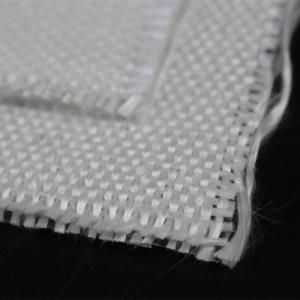
BSTFLEX also supplies woven fiberglass insulation tape. When both materials appear technically possible, compare them using the requirements of the installation rather than assuming that the material with the higher published temperature is automatically the better purchase.
| Selection question | What the buyer should compare |
|---|---|
| Continuous temperature | Confirmed service limit for the exact tape construction, not the melting point of the raw fiber. |
| Mechanical exposure | Handling, vibration, rubbing against supports and the condition after repeated maintenance. |
| Chemical environment | Actual oils, condensate, cleaning agents, process chemicals and contact duration. |
| Available dimensions | Width, thickness, roll length and tolerance required for the installation or production process. |
| Installed system | Overlap, number of passes, retention and whether another insulation layer sits under or over the tape. |
If a confirmed fiberglass construction already meets the operating conditions, changing to basalt may add cost without solving a real problem. If fiberglass does not meet the required thermal or mechanical duty, document that requirement and evaluate basalt against it.
The current BSTFLEX p118 product information lists a working-temperature value for the basalt tape and separately lists a higher melting-point value. These are not interchangeable.
A melting point describes a material transition; it is not a recommended continuous operating temperature for a woven product. The usable service limit can be controlled by fiber strength, yarn construction, surface treatment, mechanical loading and the conditions of the installation.
For purchasing, request the continuous service temperature and any short-duration exposure limit for the exact tape construction. If the pipe experiences startup peaks or thermal cycling, provide the peak temperature, duration and frequency separately.
Do not publish or specify a higher continuous temperature simply because another basalt product, fabric or competitor uses a higher number.
Wider tape covers more area per turn, but it is not automatically easier to install. Around a straight, accessible pipe, a wider strip may reduce the number of turns. Around small diameters, elbows, branch connections and brackets, a narrower width may conform more consistently.
Measure the outside diameter at the actual wrapping surface. If the basalt tape is applied over another insulation layer, use the outside diameter of that layer rather than the nominal pipe diameter.
Record obstacles before ordering:
Where frequent maintenance is expected, define start and stop points so the tape can be removed without disturbing a larger insulation system.
Overlap affects coverage, material quantity and local thickness. Do not leave it to each installer to decide unless the project procedure allows that variation.
Specify overlap as a percentage of tape width or as a dimensional advance per turn. Use the same method in the drawing, work instruction and material estimate.
At bends and transitions, visual overlap can differ from the nominal value on a straight pipe. Trial the most difficult geometry before estimating a large production quantity. Wrinkles and large local overlaps can create uneven build-up and may interfere with adjacent parts.
Adding additional layers increases material thickness but does not raise the approved service-temperature limit of the basalt fiber construction.
A plain woven basalt tape has no inherent adhesive function unless a specific backed construction is ordered. Long-term retention therefore depends on the approved wrapping and fixing method.
Depending on the equipment design, retention may use suitable wire, bands, ties or another mechanical arrangement approved for the service temperature and surrounding environment. The fixing should hold the wrap without cutting the textile or damaging the pipe coating, cable, hose or insulation underneath.
Consider thermal expansion and vibration. A fixing that is secure on a cold, stationary pipe may behave differently after repeated heating and cooling or when connected equipment vibrates.
Do not use the tape or its fixing arrangement as a structural support for pipework. Insulation retention and pipe support are different functions.
Straight pipe is usually the simplest part of an insulation job. Supports, elbows and termination points are more likely to produce uneven coverage or local wear.
Check whether the tape will contact a shoe, clamp or support edge. Repeated movement can damage any woven textile. If rubbing cannot be avoided, the installation may need a separate wear-protection detail.
Use a width and wrapping angle that allow the material to follow the radius without severe folding. Trial installation is more reliable than assuming that the same overlap used on a straight section will automatically work around a tight bend.
Specify how the last turn is retained. Do not leave a loose edge near moving machinery or an inspection point. If the basalt wrap meets another insulation system, define the transition rather than relying on an improvised overlap.
Basalt is often described as chemically resistant, but a general statement is not enough for an industrial specification. Compatibility depends on the particular chemical, concentration, temperature and exposure duration.
If the tape can contact process chemicals, oils, cleaning fluids or condensate, provide their names and operating conditions. Request compatibility information for the exact basalt construction. Do not convert a broad material claim into universal acid, alkali or solvent resistance.
Also consider what happens after contamination. A textile may remain intact while absorbing or retaining a process fluid. Maintenance, cleaning and replacement requirements should reflect the actual plant conditions.
A thermal insulation tape is not a pressure-retaining repair product. It should not be used to conceal a leaking pipe, cracked weld or damaged pressure boundary.
If a line has a mechanical defect, follow the plant's approved inspection and repair procedure. Basalt tape can be considered only for its specified insulation or protection role after the pressure-containing system is accepted as safe.
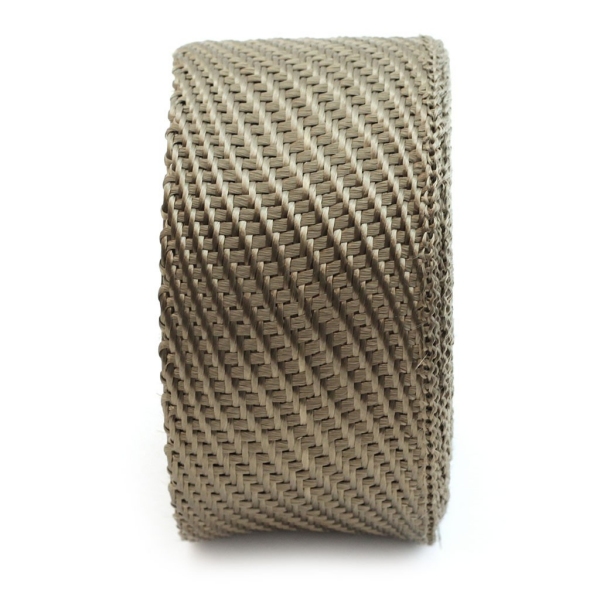
Before repeat purchasing, install the proposed basalt tape on a representative section using the intended width, overlap, number of passes and fixing method.
Record:
Inspect the wrap for displacement, exposed pipe, damaged edges, loose fixings and wear at contact points. Where thermal performance is an acceptance requirement, measure the required temperature or heat-loss result rather than approving the system from appearance alone.
| RFQ item | Information to provide |
|---|---|
| Application | Pipe lagging, equipment insulation, thermal seal, fabricated insulation component or another defined industrial use. |
| Temperature | Continuous temperature, short-duration peak, exposure duration and thermal cycling. |
| Dimensions | Tape width, thickness, roll or cut length, pipe outside diameter and total coverage length. |
| Installation | Overlap, number of passes, fixing method and any access restrictions. |
| Environment | Vibration, moisture, oils, chemicals, outdoor exposure and mechanical contact. |
| Supply | Quantity, packaging, sample approval, repeat-order requirement and any custom dimensions. |
The current BSTFLEX p118 product page lists woven basalt tape in widths from 25 mm to 200 mm, a standard thickness of 1.5 mm and 30 m rolls. Special widths, thicknesses, lengths and packaging can be reviewed with an enquiry. Confirm the current production specification and applicable technical data before final approval.
BSTFLEX supplies High Temperature Basalt Tape for industrial thermal insulation and wrapping applications. Send the pipe dimensions, operating temperature, required tape size, fixing method and quantity for product selection and quotation.
For other industrial materials and constructions, compare the BSTFLEX industrial high temperature tapes range.
Request a basalt insulation tape quotation for your industrial pipework or equipment project.

 English
 français
 Deutsch
 русский
 italiano
 español
 português
 Nederlands
 العربية
 日本語
 한국의
 Türkçe
 Polski
 Tiếng Việt
 Indonesia