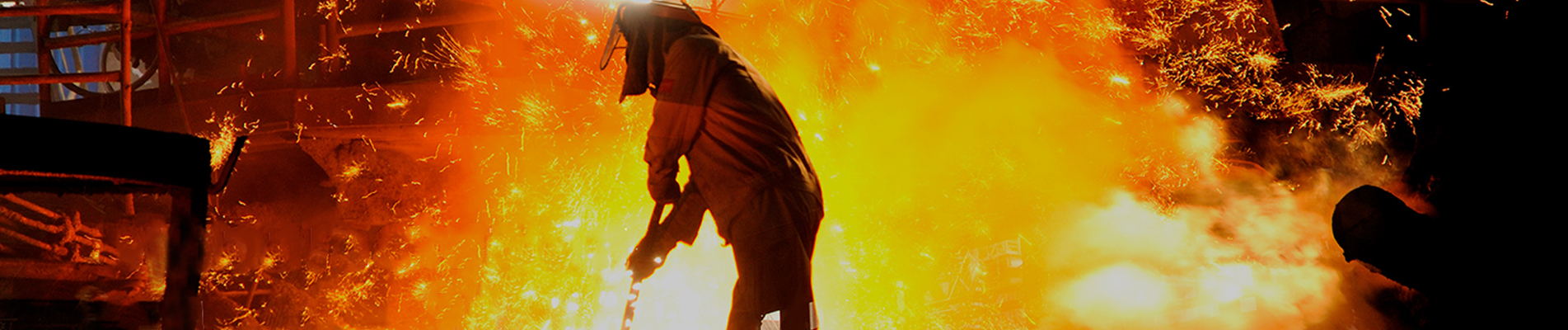
Zváracia deka môže byť v objednávke dostatočne veľká, a napriek tomu môže časť zariadenia po inštalácii zostať odkrytá. Tkanina použitá na bočné previsy, prekrytia a záhyby už nie je k dispozícii na zakrytie hlavného povrchu. Lemy a švy môžu tiež spôsobiť, že sa nominálna veľkosť bude líšiť od konečných rozmerov.
Tento sprievodca veľkosťami zváracích diek porovnáva formáty 6x6, 6x8, 8x8 a 10x10 stôp a následne vysvetľuje, ako špecifikovať konečnú veľkosť a rozmiestnenie priechodiek pre vašu inštaláciu.
BSTFLEX vyrába priemyselné zváracie deky v týchto rozmeroch a iných zákazkových veľkostiach. Štyri nižšie uvedené veľkosti sú referenčné formáty, nie limity nášho výrobného rozsahu. Pošlite rozmery, ktoré vaša aplikácia vyžaduje, namiesto toho, aby ste menili inštaláciu tak, aby vyhovovala krátkemu zoznamu veľkostí.
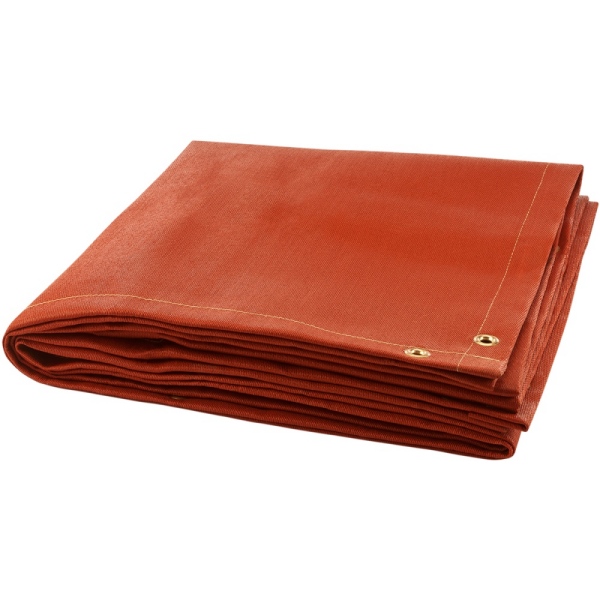
V tejto príručke 6x6 znamená 6 stôp krát 6 stôp, nie 6 palcov alebo 6 metrov. Metrické údaje uvedené nižšie sú presné prepočty uvedených rozmerov; nie sú to výrobné tolerancie ani záruka konečnej veľkosti pre nešpecifikovaný produkt.
| Referencia veľkosti | Rozmery v palcoch | Rozmery v milimetroch | Plochá plocha |
|---|---|---|---|
| 6x6 stôp zváracia deka | 72 x 72 palcov | 1828,8 x 1828,8 mm | 36 štvorcových stôp |
| 6x8 stôp zváracia deka | 72 x 96 palcov | 1828,8 x 2438,4 mm | 48 štvorcových stôp |
| 8x8 stôp zváracia deka | 96 x 96 palcov | 2438,4 x 2438,4 mm | 64 štvorcových stôp |
| 10x10 stôp zváracia deka | 120 x 120 palcov | 3048 x 3048 mm | 100 štvorcových stôp |
| Zákazková zváracia deka | Špecifikujte požadovanú šírku a dĺžku | Vyrobené podľa dohodnutých rozmerov | Závisí od schválenej veľkosti |
Deka s rozmermi 1800 x 1800 mm nie je presne rovnako veľká ako deka 6x6 stôp. Podobne 3000 x 3000 mm je menšia ako 10x10 stôp. V objednávke použite jednu riadiacu jednotku a akékoľvek prepočítané rozmery označte ako referenčné hodnoty.
Zváracia deka 6x8 pridáva v jednom smere dve stopy v porovnaní s dekou 6x6. Táto dodatočná dĺžka môže byť pridelená na dlhší zakrytý povrch alebo väčší závesný previs, v závislosti od usporiadania. Nezväčšuje oba rozmery.
Pri obdĺžnikovom závesnom paneli označte, ktorá hrana je horná. Panel s rozmermi 6 stôp na šírku a 8 stôp na výšku potrebuje iné usporiadanie uchytenia ako panel inštalovaný 8 stôp na šírku a 6 stôp na výšku, aj keď oba využívajú rovnakú plochu tkaniny.
Zváracia deka 8x8 má 64 štvorcových stôp plochej plochy; 10x10 má 100 štvorcových stôp. Väčší formát poskytuje viac materiálu na pokrytie, ale tiež zvyšuje hmotnosť tkaniny, ak je konštrukcia inak identická.
Pred výberom väčšieho panelu skontrolujte dostupnú podporu, prístup pre inštaláciu a spôsob, akým bude deka odstránená a uskladnená. Väčšia veľkosť sama osebe neposkytuje vyššiu teplotnú odolnosť ani nestanovuje vhodnosť pre ťažší rozstrek.
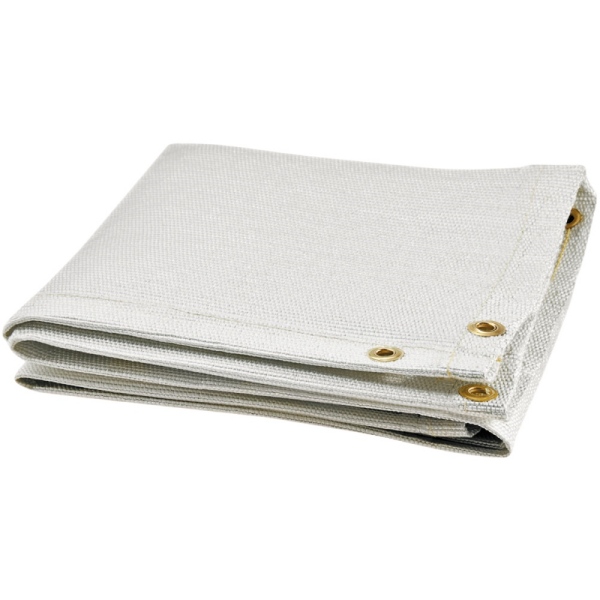
Je potrebné udržiavať tri rozmery oddelene: veľkosť strihu látky, veľkosť hotovej prikrývky a pokrytie zostávajúce po inštalácii.
Veľkosť strihu je rozmer materiálu pred šitím. Hotová veľkosť je vonkajší rozmer po dokončení lemov a švov. Inštalované pokrytie je to, čo zostáva k dispozícii po tom, čo je prikrývka zavesená, preložená alebo pripevnená.
Napríklad naša zváracia prikrývka zo silikátovej tkaniny stránka uvádza, že lemy a švy zmenšujú hotové rozmery vzhľadom na nominálnu počiatočnú veľkosť. Pri novej zákazkovej objednávke určite konečné rozmery, ktoré potrebujete, a požiadajte o potvrdenie prídavku na strih a tolerancie hotovej veľkosti.
Jasný pokyn je: Požadované rozmery hotovej prikrývky: 2000 mm na šírku x 3000 mm na dĺžku po olemovaní a šití. Pred výrobou potvrďte výrobnú toleranciu.
Toto je presnejšie ako objednanie prikrývky 2 x 3 bez uvedenia jednotky alebo toho, či sa rozmery vzťahujú na stav pred alebo po výrobe.
Zaznamenajte požadovanú pokrytú šírku a vertikálny pokles, potom identifikujte polohy podpier. Zahrňte vzťah medzi líniou podpery, stredmi priechodiek a okrajmi hotovej prikrývky. Vonkajšie rozmery rámu samy osebe nemusia opisovať panel, ktorý sa doň zmestí.
Tam, kde sa panely stretávajú, zohľadnite plánované prekrytie. Identifikujte všetky otvory okolo potrubí, káblov alebo konštrukčných prvkov, aby bolo možné skontrolovať usporiadanie upevnenia s požiadavkou na pokrytie.
Merajte pozdĺž zamýšľanej dráhy látky, vrátane vyvýšených častí a bočných poklesov. Meranie vykonané iba cez hornú časť zariadenia nezahŕňa látku potrebnú na dosiahnutie jeho strán.
Pre nepravidelné zariadenia poskytnite fotografie a označený náčrt. Ukážte, ktoré povrchy vyžadujú pokrytie a kde musí prikrývka zostať mimo pohyblivých častí, ventilačných otvorov alebo prístupových bodov pre servis.
Sčítanie šírok vytlačených na niekoľkých prikrývkach nadhodnocuje inštalované pokrytie, keď sa ich okraje prekrývajú. Pri plochých paneloch je kombinovaná pokrytá šírka súčtom ich hotových šírok mínus celkové prekrytie medzi nimi. Záhyby a zmeny smeru spotrebúvajú dodatočný materiál.
Nepoužívajte pevný prídavok na prekrytie ako dôkaz primeraného zadržania iskier. Miesto práce, dráha častíc, otvory a spôsob inštalácie musia byť posúdené pre skutočnú operáciu práce za tepla.
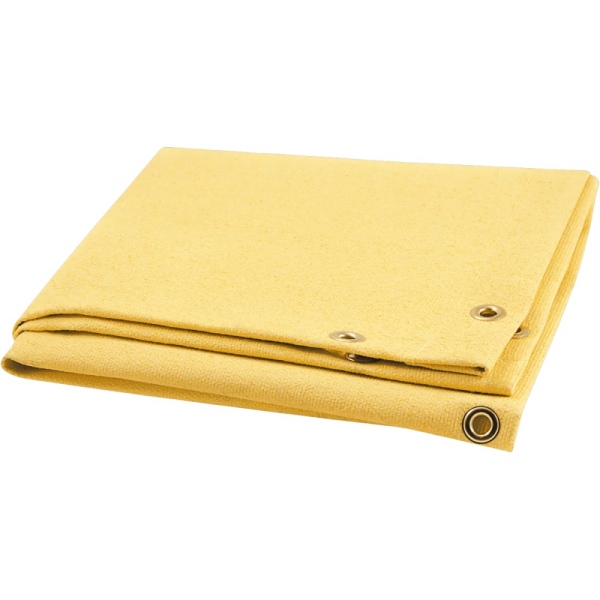
Objednanie zváracej prikrývky s priechodkami je len časťou špecifikácie. Rozloženie otvorov sa musí zhodovať s inštaláciou. Prikrývka určená na zavesenie za horný okraj môže vyžadovať iné usporiadanie ako panel zaistený po obvode.
| Detail priechodky | Čo by mal kupujúci špecifikovať |
|---|---|
| Pozícia | Horný okraj, vybrané okraje, rohy alebo všetky štyri strany; identifikujte inštalovanú orientáciu |
| Vnútorný priemer | Požadovaný voľný otvor, aby vyhovoval zvolenému upevňovaciemu hardvéru |
| Rozostupy | Rozstup medzi stredmi, maximálny rozstup alebo individuálne dimenzované umiestnenia otvorov |
| Odsadenie okraja | Vzdialenosť od každého stredu priechodky k okraju hotovej látky |
| Vystuženie | Požiadavky na lem a lokálne vystuženie na kontrolu so zvolenou látkou |
| Materiál hardvéru | Požadovaný kov a príslušné podmienky tepla, vlhkosti alebo korózie |
Ak má existujúci rám pevné upevňovacie body, pošlite ich súradnice alebo dimenzovaný náčrt. Nepredpokladajte, že rovnomerne rozmiestnené otvory budú zarovnané s rámom.
Tieto pokyny sú odlišné. Maximálny rozstup umožňuje výrobcovi rozmiestniť otvory pri zachovaní každého intervalu pod dohodnutým limitom. Presné umiestnenia vyžadujú, aby sa stredy otvorov zhodovali s výkresom.
Uveďte, ako sa má zaobchádzať s rohmi, a potvrďte celkový počet otvorov. Keď sa rozstup nedelí rovnomerne na okraj, výkres by mal ukázať, ako je rozdelená zostávajúca vzdialenosť.
Udržujte jednotky konzistentné aj tu. 18-palcový rozstup sa rovná 457,2 mm, nie 450 mm. Rozdiel je dôležitý, keď prikrývka musí pasovať na existujúci hardvér.
Priechodky sú upevňovacie prvky, nie zdvíhacie body pre zariadenia. Látka, vystuženie, spojovacie prvky a nosná konštrukcia sa musia posudzovať spoločne; pridanie ďalších otvorov nestanovuje bezpečné zaťaženie.
BSTFLEX dokáže vyrobiť zváracie prikrývky v iných rozmeroch ako 6x6, 6x8, 8x8 a 10x10 stôp. Požiadavky môžu zahŕňať menšie panely, dlhé obdĺžnikové prikrývky, náhradné panely pre existujúce inštalácie a väčšie kryty zariadení.
Napríklad kupujúci môže špecifikovať hotový panel s rozmermi 1500 x 2500 mm alebo prikrývku s rozmermi 2000 x 3000 mm namiesto výberu najbližšieho imperiálneho formátu. Rozmery, tolerancie a detaily upevnenia by sa mali dohodnúť spoločne.
Veľké prikrývky môžu vyžadovať spojené textilné panely v závislosti od využiteľnej šírky zvoleného materiálu. Uveďte, či sú švy prijateľné, a identifikujte miesta, kde by šev prekážal pri inštalácii. Vlastná celková veľkosť nemusí nevyhnutne znamenať bezšvovú konštrukciu z jednej šírky.
Pre tvarované panely, prístupové otvory alebo výrezy pošlite výkres na posúdenie konštrukcie. Pri opakovaných objednávkach OEM použite schválenú revíziu výkresu, aby si náhradné prikrývky zachovali rovnaké rozmery a vzor otvorov.
Rozmery definujú geometriu, nie úroveň ochrany. Pred finalizáciou veľkosti a rozloženia upevnenia vyberte materiál a hotovú konštrukciu pre danú expozíciu.
| Možnosť materiálu | Čo potvrdiť popri veľkosti |
|---|---|
| Tepelne čistený sklolaminát alebo akrylom potiahnutý sklolaminát | Hmotnosť tkaniny, úprava okrajov a či je zvolená trieda vhodná pre zamýšľanú polohu inštalácie |
| Silikátová tkanina | Trieda tkaniny, hmotnosť, usporiadanie švov a hotové rozmery po výrobe |
| Silikónom potiahnutý sklolaminát alebo silikónom potiahnutý silikát | Prevádzkové limity povlaku a substrátu, požiadavky na manipuláciu a vystuženie okolo upevňovacích bodov |
| Aluminizovaný sklolaminát | Ktorý povrch smeruje k zdroju sálavého tepla a či navrhovaná expozícia zahŕňa priamy rozstrek |
| Plsť z uhlíkových vlákien | Hrúbka, požiadavky na splývavosť a vhodná podpora alebo konštrukcia okrajov pre zvolenú plsť |
Pre rozdiely medzi týmito konštrukciami si prečítajte náš sprievodca materiálmi pre zváracie prikrývky. Pre nepretržitú expozíciu, limity náterov a polohu inštalácie si pozrite hodnotenia a výber vysokoteplotných zváracích prikrývok.
Nepredpokladajte, že prikrývka určená na vertikálne zachytávanie iskier je vhodná na horizontálny zber trosky. Podobne, veľká prikrývka nie je náhradou za odstránenie horľavých materiálov, posúdenie skrytých otvorov, udržiavanie vetrania alebo uplatňovanie postupov pre prácu s otvoreným ohňom na pracovisku. Nepovažujte bežnú zváraciu prikrývku za certifikovanú ochranu očí proti žiareniu zváracieho oblúka.
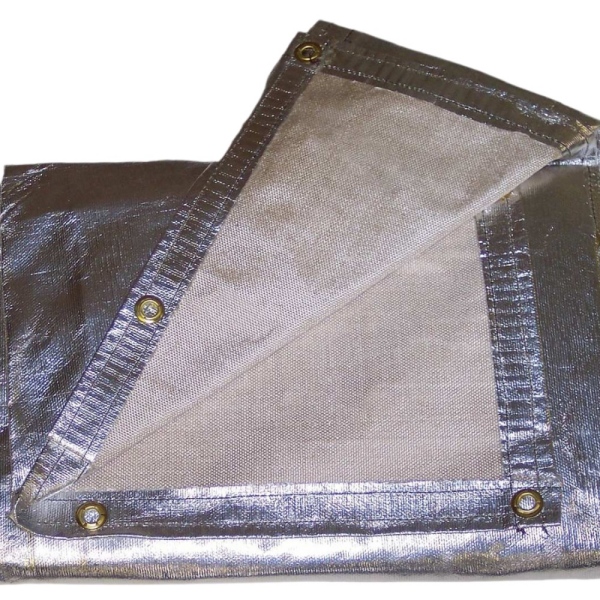
Nasledujúci text je ilustračnou nákupnou špecifikáciou, nie testovanou konfiguráciou produktu ani odporúčaním pre konkrétny proces zvárania.
| Položka | Príklad Požiadavka na objednávku |
|---|---|
| Hotové rozmery | 2000 mm šírka x 3000 mm výška po olemovaní a šití |
| Tolerancia veľkosti | Dodávateľ uvedie; kupujúci schváli pred výrobou |
| Orientácia | Vertikálny panel; hrana 2000 mm je horná |
| Materiál | Bude vybraný po posúdení procesu, vystavenia teplu a podmienok rozstreku |
| Úprava hrán | Vystužené lemy; konštrukcia bude potvrdená s vybraným materiálom |
| Priechodky | Umiestnenie, čistý otvor a odsadenie hrán musia zodpovedať schválenému výkresu upevnenia |
| Švy | Dodávateľ musí predložiť akékoľvek navrhované spoje panelov na schválenie |
| Množstvo a balenie | Kupujúci uvedie objednané množstvo, opakovaný dopyt a požiadavky na individuálne balenie |
Priložte fotografiu alebo náčrt inštalácie a opíšte operáciu zvárania, rezania alebo brúsenia. To dodávateľovi poskytne rozmerovú požiadavku aj prevádzkový kontext potrebný na jej posúdenie.
Áno. Iné rozmery zváracích prikrývok je možné vyrobiť na zákazku. Špecifikujte požadovanú hotovú šírku a dĺžku vo stopách, palcoch alebo milimetroch spolu s požiadavkami na materiál a upevnenie.
Nie nevyhnutne. Nominálny rozmer sa môže vzťahovať na tkaninu pred dokončením lemov a švov. Opýtajte sa, či je uvedený rozmer rozmerom po odrezaní alebo hotovým rozmerom, a potvrďte hotové rozmery a toleranciu v objednávke.
Áno. BSTFLEX ponúka konštrukcie bez priechodiek, ako aj vlastné usporiadanie upevnenia. Uveďte, ako bude prikrývka umiestnená alebo zaistená, aby bolo možné podľa toho špecifikovať úpravu hrán.
Závisí to od rozloženia upevnenia a konštrukcie hotovej prikrývky. Pre existujúci rám uveďte skutočné umiestnenie upevňovacích bodov. Pre novú inštaláciu sa pred výrobou dohodnite na usporiadaní podpery, rozstupe otvorov a vystužení.
Rezanie hotovej prikrývky môže odstrániť jej lemy, vystuženie alebo upevňovacie body a môže zanechať hranu, ktorá vyžaduje ďalšiu úpravu. Požadované hotové rozmery špecifikujte vo fáze objednávania alebo získajte pokyny na výrobu špecifické pre daný materiál pred úpravou prikrývky.
Poskytuje väčšiu plochu, nie automaticky vyššiu úroveň ochrany. Tepelný výkon a odolnosť proti rozstreku závisia od zvoleného materiálu, konštrukcie a podmienok vystavenia.
Pošlite BSTFLEX svoje hotové rozmery, preferovaný materiál alebo prevádzkové podmienky, výkres priechodiek, množstvo a požiadavky na balenie. Pre náhradný panel priložte fotografie a merania existujúcich upevňovacích bodov.
Či už je požiadavkou zváracia prikrývka 6x6, závesný panel 6x8, kryt zariadenia 8x8, prikrývka 10x10 alebo iný vlastný rozmer, cenovú ponuku možno pripraviť na základe požadovaných rozmerov a konštrukcie.
Prezrite si sortiment zváracích prikrývok BSTFLEX alebo pošlite svoju špecifikáciu vlastnej zváracej prikrývky na vypracovanie cenovej ponuky.

 English
 français
 Deutsch
 русский
 italiano
 español
 português
 Nederlands
 العربية
 日本語
日本語 한국의
한국의 Türkçe
 Polski
 Tiếng Việt
 Indonesia