One of the most common questions asked by industrial buyers and safety managers is:
what temperature can welding blankets withstand?
The answer depends largely on the material, construction, and intended application of the
welding blanket
.
Understanding temperature limits is critical for selecting the right welding blanket, improving workplace safety, and avoiding premature product failure. This guide explains welding blanket temperature ratings and highlights the best solutions for high-temperature industrial environments.
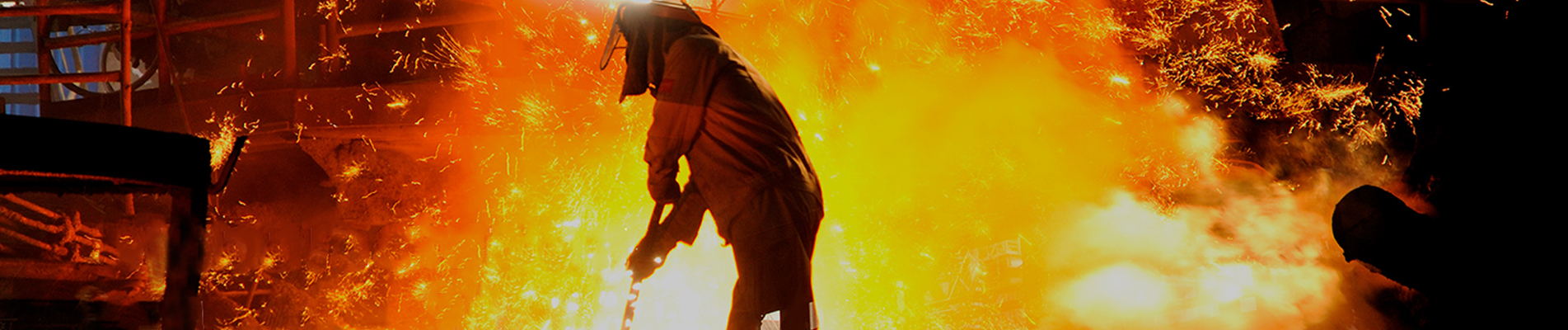
Welding and cutting processes generate extreme heat, sparks, and molten metal splash. If a welding blanket cannot withstand the required temperature:
It may burn or degrade
Protective performance may be lost
Fire hazards can increase
Replacement costs rise
Choosing a welding blanket with the correct temperature resistance ensures reliable protection and long-term cost efficiency.
Different welding blanket materials offer very different levels of heat resistance.
Fiberglass welding blankets are commonly used for light-duty applications.
Continuous temperature: up to 500–550°C
Short-term exposure: up to 700°C
Best for: light welding, occasional spark protection
However, fiberglass may degrade faster under prolonged high-temperature exposure.
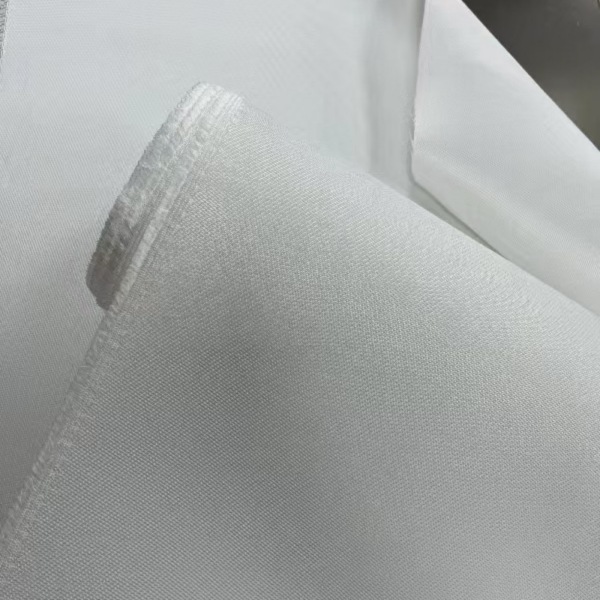
Silica fabric welding blankets are designed for demanding industrial environments.
Continuous temperature: up to 1000°C
Short-term exposure: up to 1200°C
Best for: heavy welding, cutting, and high-heat applications
Due to their high silica content, silica fabric welding blankets maintain stability and strength under extreme heat.
Ceramic fiber blankets offer very high insulation performance.
Continuous temperature: up to 1200°C or higher
Advantages: excellent thermal insulation
Limitations: lower flexibility, more fragile, less suitable for repeated handling
They are often used in stationary or insulation-focused applications rather than daily welding protection.
It is important to understand the difference between continuous temperature and short-term temperature exposure :
Continuous temperature refers to the maximum heat a blanket can withstand over long periods without performance loss
Short-term exposure refers to brief contact with extreme heat or molten metal
For industrial welding operations, continuous temperature resistance is often the more critical factor.
For light-duty or temporary welding tasks, fiberglass welding blankets may be sufficient.
However, for
industrial, long-duration, or high-temperature welding
, silica fabric welding blankets are the preferred choice due to their balance of heat resistance, durability, and flexibility.
Silica fabric welding blankets provide reliable protection in environments where standard materials may fail.

 English
 français
 Deutsch
 русский
 italiano
 español
 português
 Nederlands
 العربية
 日本語
日本語 한국의
한국의 Türkçe
 Polski
 Tiếng Việt
 Indonesia