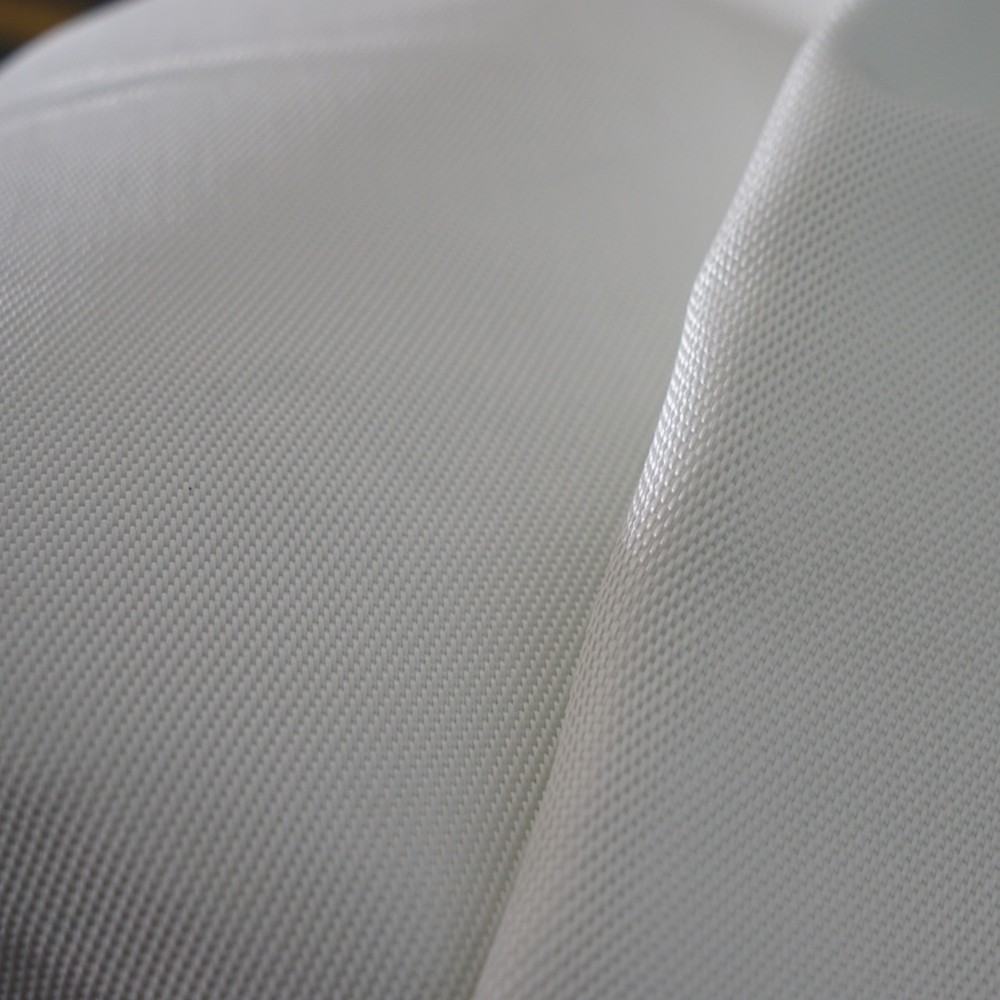
Čo je silika tkanina a kde sa používa?
Aug 24, 2026
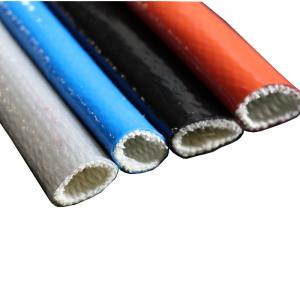
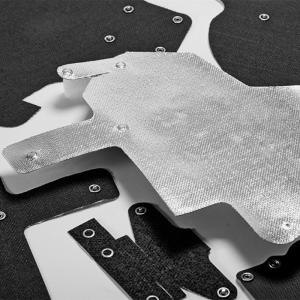
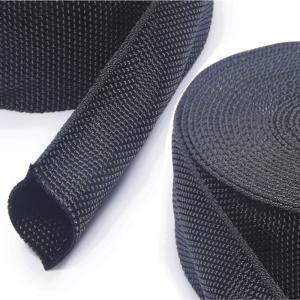
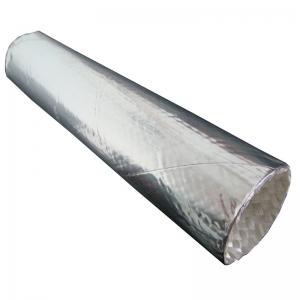
Čo je silikátová tkanina a kde sa používa? Silikátová tkanina je flexibilný tkaný textil vyvinutý na použitie v aplikáciách, kde by teplo, plameň, sálavá energia alebo dlhodobé vystavenie zvýšeným teplotám rýchlo prekročili praktické limity mnohých bežných tkanín. Bežne sa používa na ochranu pri zváraní, izoláciu pecí, zlievarenské operácie, výfukové systémy, odnímateľné izolačné kryty, tepelné závesy, dilatačné spoje a ďalšie priemyselné systémy regulácie tepla. Na rozdiel od pevných žiaruvzdorných materiálov možno silikátovú tkaninu ovíjať, rezať, šiť a spracovávať do zložitých tvarov. Vďaka tomu je obzvlášť užitočná tam, kde musí tepelná ochrana kopírovať potrubia, kryty zariadení, výfukové komponenty alebo nepravidelné priemyselné povrchy. Silikátové textílie sú dostupné s rôznym obsahom oxidu kremičitého, hmotnosťou tkaniny, konštrukciou väzby a povrchovými úpravami. Výsledkom je, že pojem silikátová tkanina označuje skupinu vysokoteplotných textílií, nie jednu jedinú špecifikáciu. Bežné priemyselné vyhľadávacie výrazy pre tieto materiály zahŕňajú silikátová tkanina, silikátový textil, tkaná silikátová tkanina, vysokosilikátová tkanina, vysokosilikátová látka, tkanina zo silikátových vlákien, látka zo silikátových vlákien, vysokoteplotná silikátová tkanina a vysokoteplotná silikátová látka. Pochopenie týchto rozdielov je dôležité pred určením materiálu pre systém tepelnej ochrany. Čo je silikátová tkanina? Silikátová tkanina sa vyrába zo silikátových vlákien bohatých na oxid kremičitý, ktoré sa spracujú na priadzu a tkajú do flexibilnej látky. Množstvo oxidu kremičitého vo vlákne sa môže líšiť podľa výrobného procesu a zamýšľanej prevádzkovej teploty. Stupne s vyšším obsahom oxidu kremičitého sa vo všeobecnosti vyberajú, keď je potrebná väčšia tepelná stabilita. Jednou široko používanou kategóriou je vysokosilikátová tkanina, ktorá obsahuje vysoký podiel oxidu kremičitého a je navrhnutá pre náročné tepelné prostredia. Na rozdiel od bežných textílií na odevy je silikátová tkanina navrhnutá predovšetkým s ohľadom na vlastnosti, ako sú: Odolnosť voči vysokým teplotám Odolnosť voči plameňu Tepelná stabilita Nízky prenos tepla Flexibilita Možnosť spracovania Rozmerová stabilita Odolnosť voči tepelnému cyklovaniu Tieto vlastnosti umožňujú tkanej silikátovej tkanine fungovať ako súčasť tepelnej bariéry bez potreby pevnosti žiaruvzdornej dosky alebo kovového tienenia. Pre náročné priemyselné aplikácie dodáva BSTFLEX 96 % vysokoteplotnú silikátovú tkaninu ako aj 70 % tkanú silikátovú tkaninu pre aplikácie s rôznymi tepelnými a ekonomickými požiadavkami. Je silikátová tkanina rovnaká ako sklenená vláknová tkanina? Nie. Tieto dva materiály spolu súvisia, ale nemali by sa automaticky považovať za zameniteľné. Bežné tkaniny zo sklenených vlákien sa často vyrábajú z E-skla alebo iných sklenených zložení a široko sa používajú na elektrickú izoláciu, tepelnú ochranu, vystužovanie kompozitov a priemyselnú izoláciu. Vysokosilikátová tkanina sa spracováva tak,...
čítaj viac

 English
 français
 Deutsch
 русский
 italiano
 español
 português
 Nederlands
 العربية
 日本語
日本語 한국의
한국의 Türkçe
 Polski
 Tiếng Việt
 Indonesia