Anhui Parker New Material Co.,Ltd
ISO9001      IATF16949

insulation blanket manufacturer

správy

  • Porovnanie silikónom potiahnutej kremičitej tkaniny so štandardnou kremičitou tkaninou: výkon, povlak a aplikácie
    Porovnanie silikónom potiahnutej kremičitej tkaniny so štandardnou kremičitou tkaninou: výkon, povlak a aplikácie Nov 03, 2025
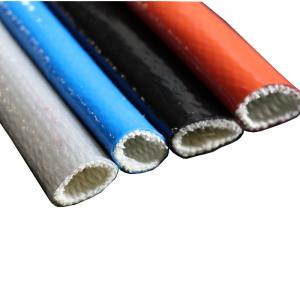
    When selecting high-temperature insulation materials, both silicone coated silica fabric and standard silica fabric are popular choices among engineers and industrial users. While they share the same high-purity silica fiber base, their performance, coating features, and durability differ significantly. Understanding these differences is essential for choosing the right material for your thermal protection project — whether it’s for exhaust insulation, heat shields, or industrial equipment covers. This article compares silicone coated silica fabric and uncoated silica fabric in terms of construction, thermal performance, handling properties, and common applications. Material Construction and Composition Standard Silica Fabric is woven from high-purity amorphous silica fibers, typically containing more than 96% SiO₂. It offers excellent heat resistance and is often used in environments with continuous temperatures up to 1000°C. Silicone Coated Silica Fabric , on the other hand, is produced by applying a layer of high-temperature silicone rubber onto one or both sides of the base silica cloth. This coating adds mechanical strength, improves surface protection, and enhances chemical and moisture resistance without compromising flexibility. Key Difference: The silicone coating acts as a shield — protecting the silica fibers from abrasion, fraying, and environmental degradation, while also making the surface smoother and easier to handle. Performance Comparison Property Standard Silica Fabric Silicone Coated Silica Fabric Temperature Resistance Continuous up to 1000°C Continuous up to 1000°C (base) + improved short-term flame and splash resistance due to silicone layer Surface Protection Fibers are exposed, can fray or shed particles Silicone coating seals the surface and prevents fraying Moisture Resistance Low, absorbs water easily Excellent, repels water and oil Chemical Resistance Moderate Strong resistance to oil, water, and many chemicals Mechanical Strength Good Superior — coating improves abrasion and tear strength Ease of Handling Soft but fragile during cutting or sewing Smooth, clean surface, easier to cut, sew, or wrap Trvanlivosť Obmedzené pri nadmernom vystavení Predĺžená životnosť v náročných podmienkach Výsledok: Silikónom potiahnutá silikónová tkanina poskytuje dlhšiu životnosť a lepšiu ochranu , najmä v prostrediach s olejom, vlhkosťou alebo mechanickým pohybom. Výhody a funkčné výhody náteru Silikónový povlak premieňa štandardnú silikónovú tkaninu na všestrannejší a spoľahlivejší izolačný materiál. 1. Zlepšená integrita povrchu Povlak utesňuje tkané vlákna, čím znižuje uvoľňovanie častíc a zlepšuje bezpečnosť manipulácie, najmä v čistých priestoroch alebo citlivých priemyselných prostrediach. 2. Zlepšená odolnosť voči kontaminantom Silikónová vrstva blokuje prenikanie vlhkosti, oleja a chemikálií do tkaniny – čo je kľúčová výhoda v námornom, automobilovom priemysle a pri výrobe energie. 3. Zvýšená odolnosť voči ohňu a striekajúcej v...
    čítaj viac
  • Ako izolačná deka pre výfuk zlepšuje bezpečnosť na pracovisku a energetickú účinnosť
    Ako izolačná deka pre výfuk zlepšuje bezpečnosť na pracovisku a energetickú účinnosť Nov 02, 2025
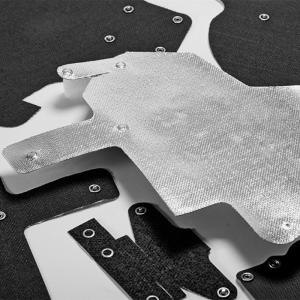
    Creating a Safer and More Efficient Working Environment In industrial and manufacturing environments, managing heat is critical for both safety and performance. High surface temperatures on exhaust systems can pose serious risks to operators, reduce energy efficiency, and shorten equipment life. A high-quality exhaust insulation blanket from BSTFLEX provides an effective solution to these challenges—offering superior thermal protection, improved safety, and enhanced operational efficiency. By controlling heat loss and reducing radiant heat exposure, BSTFLEX insulation blankets help create a safer, more sustainable, and energy-efficient workplace. The Role of an Exhaust Insulation Blanket An exhaust insulation blanket is a removable thermal barrier designed to enclose exhaust components such as manifolds, turbochargers, and pipes. It acts as a thermal insulation blanket , maintaining consistent operating temperatures while preventing excessive heat from radiating into the work area. This not only helps protect workers from burns but also contributes to better equipment performance and lower energy consumption. In heavy industries, marine engines, and power generation facilities, such insulation systems are essential for both safety compliance and efficiency improvement. Enhancing Workplace Safety Workplace safety is one of the most important factors in industrial operations. Uninsulated exhaust systems can reach extremely high surface temperatures, creating a potential burn hazard for technicians and operators. Installing safety insulation blankets significantly reduces external surface temperatures, lowering the risk of accidental contact injuries. In addition, the insulation minimizes heat accumulation in confined engine rooms or plant areas, improving air quality and working conditions. For environments that demand compliance with occupational safety standards, BSTFLEX exhaust insulation blankets are a reliable solution that helps maintain safer operation zones. Improving Energy Efficiency Energy efficiency is another key advantage of using exhaust insulation blankets . Without proper insulation, a large amount of heat escapes from exhaust systems, wasting energy that could otherwise be utilized or retained. By trapping and redirecting heat, insulation blankets help maintain optimal exhaust temperatures, allowing systems to perform more efficiently. This reduction in heat loss contributes to lower fuel consumption, reduced emissions, and longer equipment lifespan. Over time, the energy savings from using thermal insulation blankets can lead to substantial cost reductions and improved sustainability across industrial operations. Additional Benefits Temperature Control: Maintains stable process conditions and consistent exhaust flow. Noise Reduction: The multi-layer structure also helps to absorb sound and reduce vibration. Maintenance Efficiency: The removable design allows for easy inspection and reinstallation during service. Corrosion Protect...
    čítaj viac
  • Čo je čadičová páska a prečo je budúcnosťou vysokoteplotnej izolácie
    Čo je čadičová páska a prečo je budúcnosťou vysokoteplotnej izolácie Oct 30, 2025
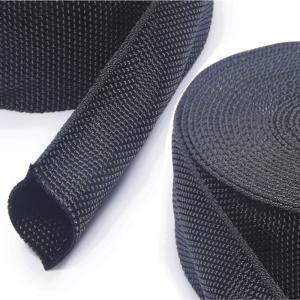
    In industries where heat, abrasion, and mechanical stress are constant challenges, basalt tape has emerged as one of the most advanced thermal protection solutions available today. Made from continuous basalt fibers derived from natural volcanic rock, basalt tape combines exceptional thermal insulation , mechanical strength , and environmental stability —making it a superior alternative to traditional fiberglass or ceramic fiber tapes. What Is Basalt Tape? Basalt tape is a high-temperature woven material manufactured from basalt fibers—continuous filaments created by melting crushed basalt rock at approximately 1,450°C (2,640°F). The molten material is then extruded through fine nozzles to form fibers that are spun into yarns and woven into tapes. This production process results in a non-combustible, chemical-resistant, and thermally stable textile capable of withstanding continuous temperatures up to 800°C (1,472°F) and short-term exposure up to 1,000°C (1,832°F) . Unlike synthetic fibers, basalt fibers are completely natural and non-toxic. They do not emit harmful gases under high heat, making basalt tape not only durable but also environmentally friendly and safe to handle. Basalt Tape vs Fiberglass and Ceramic Fiber Tape When compared to fiberglass tape , basalt tape offers significantly higher temperature resistance and better tensile strength. Fiberglass typically withstands up to 550°C (1,022°F), whereas basalt maintains its structure and integrity well beyond that limit. Additionally, basalt fibers are less brittle and offer better resistance to thermal shock and vibration—important factors in dynamic environments like engines and industrial machinery. In contrast to ceramic fiber tapes , basalt tape provides similar high-temperature capability but with greater flexibility and fewer health concerns. Ceramic fibers can release fine dust particles that may irritate the skin or lungs, while basalt fibers are smoother, safer, and more user-friendly. This balance of high performance and safety makes basalt tape an ideal choice for modern insulation applications. Key Properties and Advantages of Basalt Tape Continuous Temperature Resistance: Operates reliably up to 800°C (1,472°F) and short-term up to 1,000°C (1,832°F). High Mechanical Strength: Excellent tensile and abrasion resistance even under extreme conditions. Non-Combustible and Chemically Stable: Inert to most acids and alkalis, resistant to UV and oxidation. Environmentally Friendly: Made from 100% natural volcanic rock without synthetic additives. Flexible and Easy to Use: Can be wrapped, stitched, or bonded to various surfaces. Applications of Basalt Tape Basalt tape is used across a wide range of industries that demand high heat protection and mechanical durability. Automotive Industry: Commonly used as exhaust pipe wrap, turbo insulation, and wire harness protection to reduce radiant heat and enhance engine efficiency. Industrial Manufacturing: Serves as a thermal barrier for pipe...
    čítaj viac
  • Na čo sa používa tkaná čadičová páska? Aké sú výhody jej použitia?
    Na čo sa používa tkaná čadičová páska? Aké sú výhody jej použitia? Oct 27, 2025
    Woven Basalt Tape: The Premium Choice for High-Performance Applications Introduction to Woven Basalt Tape Woven basalt tape is a high-performance textile engineered from basalt fibers, which are naturally sourced from volcanic rocks. This advanced material stands out for its ability to combine strength, durability, and exceptional thermal resistance. In industries such as construction, automotive, aerospace, and manufacturing, woven basalt tape offers a reliable solution for a variety of critical applications. Key Benefits of Using Woven Basalt Tape Exceptional Thermal Resistance: Basalt fibers possess remarkable heat resistance, making woven basalt tape ideal for use in high-temperature environments. It can withstand continuous temperatures up to 1000°C (1832°F), providing superior protection against heat transfer in insulation, fire protection, and thermal barriers. Fire-Resistant and Non-Toxic: Unlike traditional fiberglass or synthetic materials, woven basalt tape does not release toxic fumes when exposed to high temperatures. This makes it a safer alternative in fire-prone environments, ensuring both worker safety and compliance with stringent fire safety regulations. Durability and Strength: Basalt fibers exhibit outstanding tensile strength, giving woven basalt tape high mechanical durability. This feature makes it an ideal material for applications requiring long-lasting performance under challenging conditions, such as in automotive engine wraps, pipe insulation, and high-pressure systems. Environmentally Friendly: As basalt fibers are derived from abundant natural volcanic rock, woven basalt tape is 100% natural and eco-friendly. It does not require energy-intensive production processes, and it is fully recyclable, making it an ideal choice for companies looking to reduce their environmental impact and meet sustainability goals. Corrosion and Chemical Resistance: Basalt fibers are resistant to corrosion from chemicals, oils, and gases, which enhances the longevity and reliability of woven basalt tape in various industrial settings, including marine and offshore applications. Its resistance to environmental degradation also makes it highly suitable for outdoor use, even in harsh climates. Lightweight and Flexible: While strong and durable, woven basalt tape is also lightweight and flexible, making it easy to handle and apply in diverse applications. Its flexibility allows it to conform to complex shapes and surfaces, ensuring complete coverage and optimal performance. Applications of Woven Basalt Tape Thermal Insulation: Woven basalt tape is widely used as a high-performance thermal insulation material for pipes, boilers, and high-temperature equipment. Its heat-resistant properties help maintain energy efficiency and prevent heat loss in industrial systems. Fire Protection: The inherent fire-resistant qualities of woven basalt tape make it an ideal choice for applications where fire safety is a top priority, such as in construction, ele...
    čítaj viac
  • Na čo sa používa bazaltová páska?
    Na čo sa používa bazaltová páska? Oct 24, 2025
    Čadičová páska je vysoko výkonný priemyselný materiál tkaný z nekonečných vlákien sopečných hornín. Je známy svojou výnimočnou pevnosťou a vynikajúcou tepelnou odolnosťou a slúži ako všestranné riešenie v mnohých náročných aplikáciách, kde materiály ako sklolaminát nepostačujú. Kľúčové aplikácie a použitia: Tepelná ochrana a izolácia pri vysokých teplotách: Primárne použitie čadičovej pásky je ako tepelný štít a izolačný obal. Účinne zadržiava a riadi extrémne teplo v: Výfukové systémy: Bežne sa používa na obalenie výfukových potrubí, potrubí a zberných potrubí v automobiloch, nákladných vozidlách a motocykloch. Táto izolácia zvyšuje účinnosť výfuku udržiavaním teploty plynov, znižuje sálavé teplo pod kapotou a chráni blízke komponenty a cestujúcich. Priemyselné pece a kotly: Používajú sa ako vysokoteplotné tesnenia, tmely alebo pásové clony na zlepšenie tepelnej účinnosti a bezpečnosti. Trasy parného sledovania: Izoluje potrubia na udržanie procesných teplôt v priemyselnom prostredí. Protipožiarna ochrana a obmedzenie šírenia: Vďaka svojmu pôvodu z prirodzene nehorľavej čadičovej horniny je páska vynikajúcou protipožiarnou bariérou. Používa sa na obalenie káblov, vytvorenie protipožiarnych tesnení a ochranu kritických konštrukcií, čím zabraňuje šíreniu plameňov a zmierňuje škody spôsobené požiarom. Výstuž v kompozitných materiáloch: Páska je ideálna na selektívne vystužovanie kompozitných laminátov, najmä v oblastiach vyžadujúcich vysoký pomer pevnosti k hmotnosti a odolnosť. Používa sa v: Navíjanie rukávom alebo rúrkou: Posilňovanie kompozitných rúr a nádob. Výstuž švov a spojov: Zvyšovanie trvanlivosti a odolnosti voči praskaniu švom v lisovaných dieloch. Komponenty pre letecký a automobilový priemysel: Slúži ako výstužný materiál v dieloch OEM a náhradných dieloch, ktoré musia odolávať vysokému namáhaniu a teplote. Tlmenie vibrácií a odolnosť voči oderu: Keď je čadičová páska integrovaná do konštrukcií alebo použitá ako obal, pomáha tlmiť vibrácie a poskytuje ochrannú vrstvu proti opotrebovaniu a oderu, čím predlžuje životnosť komponentov. Špecializované priemyselné aplikácie: Jeho všestrannosť sa rozširuje do odvetví ako lodiarstvo a ťažká technika, kde sa používa na ochranu káblov, izoláciu v motorových priestoroch a opravy, ktoré vyžadujú robustný, tepelne odolný materiál. Prečo si vybrať čadičovú pásku pred alternatívami? Vynikajúca tepelná odolnosť: Pracuje nepretržite pri teplotách až do 750 °C a odolá špičkovým teplotám až do 1095 °C, čo ponúka oproti sklolaminátu významnú výhodu. Zvýšená pevnosť a odolnosť: Má vyššiu pevnosť v ťahu a je odolnejšia ako sklolaminátové a dokonca aj niektoré pásky z uhlíkových vlákien. Vynikajúca ovládateľnosť: Vďaka upraveným okrajom, ktoré zabraňujú strapkaniu, sa s ním ľahko manipuluje a pre jednoduchšiu inštaláciu môže byť dodaný s lepiacou podložkou alebo vermikulitovým náterom. Jednoduchá sýtosť: Páska bezproblémovo funguje s rôznymi živicami vrátane epoxidových, polyesterových a vinylesterových, vď...
    čítaj viac
prvá strana 1 ... 15 16 17 18 19 ... 80 posledná strana
[  celkom  80  stránky]
zanechajte správu

zanechajte správu

    ak máte otázky alebo návrhy,, zanechajte nám správu,my vám odpovieme hneď, ako to bude možné!

Domov

Produkty

O nás

kontakt

top